
special varieties of glass
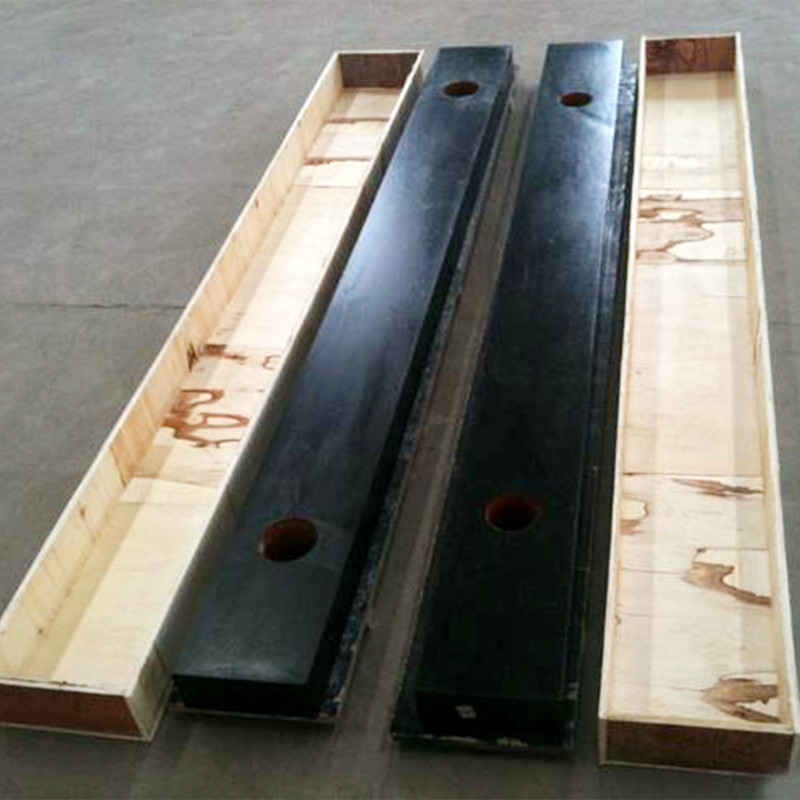
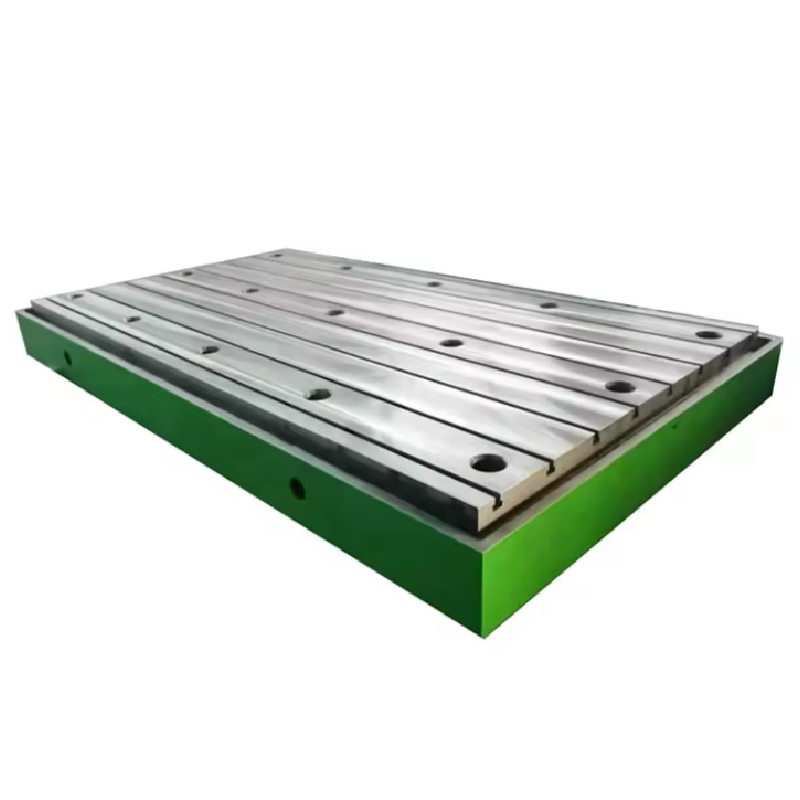
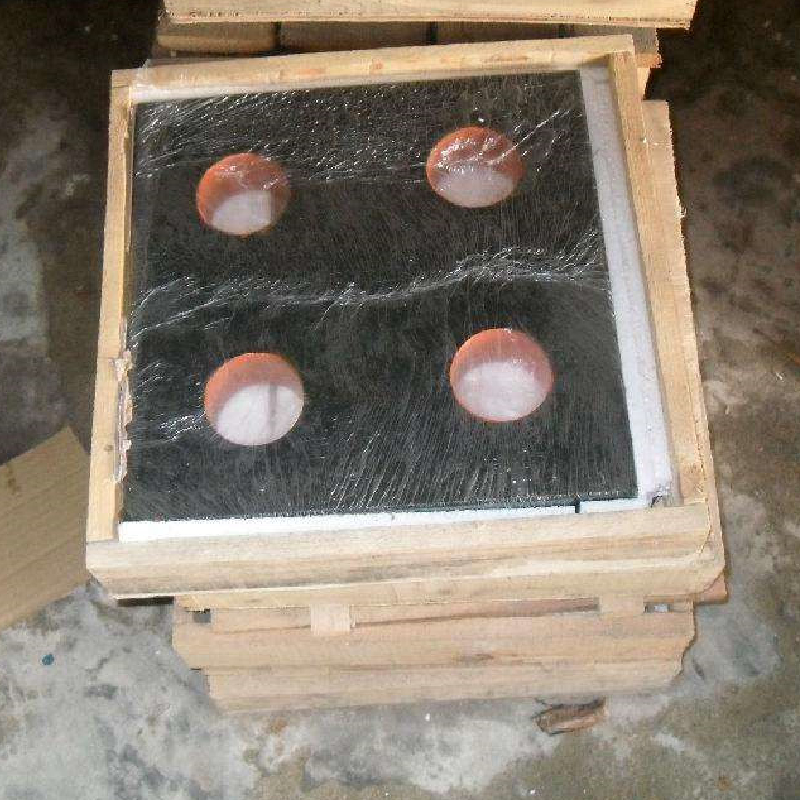
Understanding Surface Plate Prices Factors and Considerations Surface plates are essential tools in various industries, including manufacturing, engineering, and quality control. They serve as a reference plane for precision measurement and inspection of components, ensuring that parts are manufactured to exact specifications. With the increasing demand for quality assurance and precision in production, the market for surface plates has grown significantly. However, a crucial aspect of acquiring a surface plate is understanding its pricing. In this article, we'll explore the factors that contribute to the price of surface plates and what considerations buyers should keep in mind. Material Specifications The price of a surface plate is primarily influenced by the material from which it is made. Common materials used in the manufacturing of surface plates include granite, cast iron, and composite materials. Each of these options has different cost implications. 1. Granite Surface Plates These are the most popular and widely used type of surface plates. Granite is valued for its rigidity, stability, and resistance to wear. The price of granite surface plates can vary significantly depending on the grade of granite, the thickness of the plate, and its overall size. Higher-quality granite with fewer imperfections will command a higher price. 2. Cast Iron Surface Plates While typically more affordable than granite, cast iron surface plates are durable and stable. They are often used for heavier machinery or in environments where durability is a concern. The cost will also depend on the machining process and the overall finish of the plate. 3. Composite Surface Plates These are made from a blend of materials, providing certain advantages in weight and thermal stability. While they may often be less expensive than granite counterparts, their pricing is influenced by the specific materials used in the composite and their intended application. Size and Thickness Surface plates come in various sizes, from small desktop plates to large industrial models. Naturally, larger plates require more material and are generally more expensive. Additionally, the thickness of the plate plays a role in its cost. Thicker plates provide more stability and durability, making them ideal for rigorous industrial environments, but they also come at a higher price. Precision and Tolerance surface plate price Precision measurement is paramount when selecting a surface plate. The accuracy of measurements can be affected by the surface plate's flatness and overall quality. Surface plates are rated by their tolerance levels. Higher tolerance levels (i.e., finer flatness) result in a more precise tool but also increase the price. Buyers must consider the required precision for their specific applications and be willing to invest in the appropriate surface plate. Brand and Manufacturer Reputation Like many other industrial tools, the reputation of the manufacturer can significantly influence surface plate prices. Established brands that have a long history of quality and reliability may charge a premium for their products. However, investing in a reputable brand often ensures better quality, customer support, and warranty options. For businesses that rely heavily on precision measurement, this investment can lead to savings over time by reducing errors and improving operational efficiency. Customization and Features Some buyers may require customized surface plates designed for specific applications or features. This customization can greatly affect the price. Additional features, such as built-in measuring scales, vibration isolation systems, or enhanced finishes for better durability, can also increase costs. It’s essential for buyers to assess their needs to determine if the added expense is justified. Market Trends and Supply Chain Factors Lastly, it's crucial to consider market trends and external factors affecting the supply chain. Economic conditions, raw material availability, and manufacturing costs can all contribute to fluctuations in surface plate prices. Buyers should stay informed about industry developments to make well-timed purchasing decisions. Conclusion The price of surface plates varies widely based on several factors, including material type, size, precision, manufacturer reputation, customization, and market conditions. Buyers should carefully consider their specific needs and the importance of precision measurement in their operations. Investing in a high-quality surface plate can lead to significant benefits in accuracy and efficiency, ultimately contributing to improved product quality and customer satisfaction. By understanding the cost dynamics associated with surface plates, businesses can make informed decisions, ensuring they choose the right tool for their precise measuring and inspection needs.
about
special varieties of glass
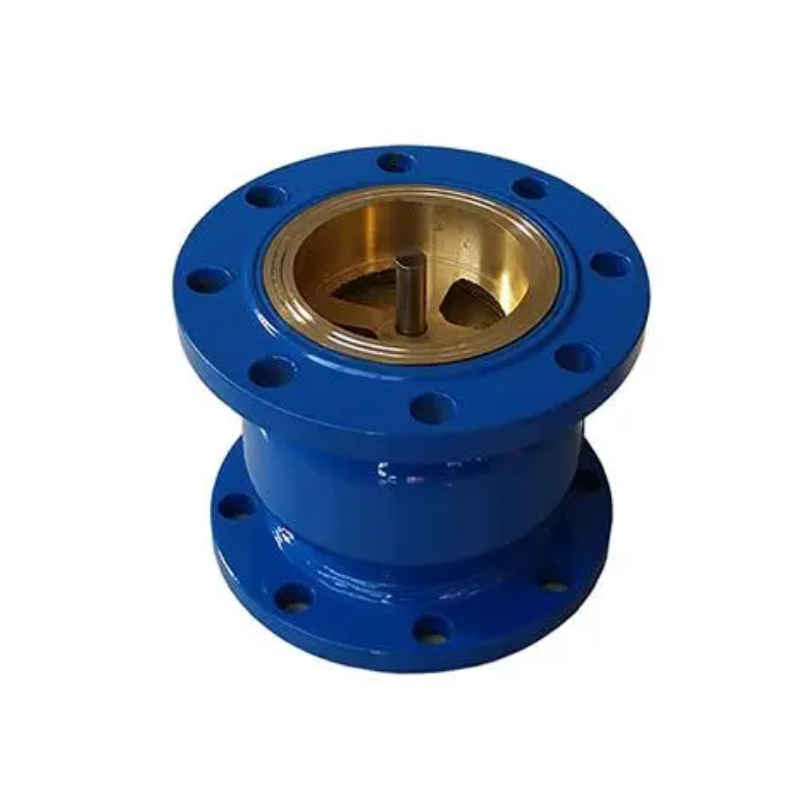
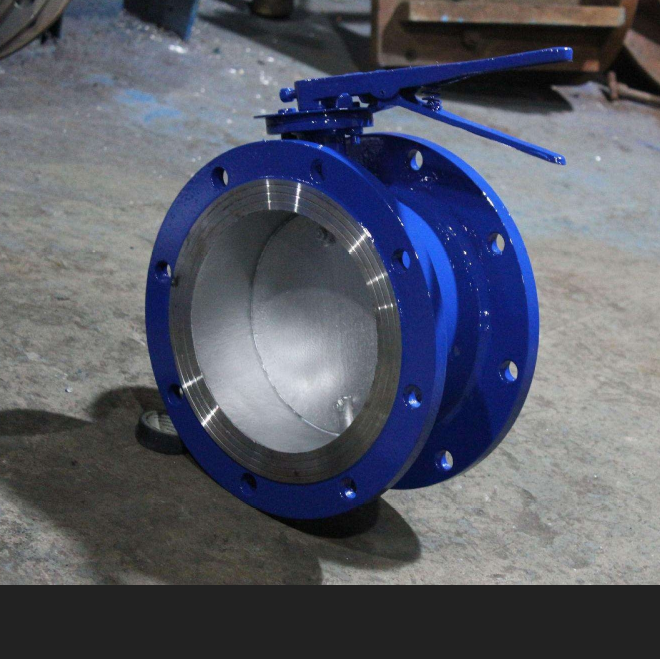
The Price Considerations of 200 mm Butterfly Valves Butterfly valves, a type of quarter-turn valve, are widely used in various industrial applications, including water supply, wastewater treatment, and HVAC systems. They are favored for their simple design, compact size, and ability to provide a reliable shut-off and flow control. Among the various sizes available, the 200 mm butterfly valve—often referred to as an 8-inch valve—is a popular choice for many applications. However, when considering the purchasing of a 200 mm butterfly valve, understanding its price determinants is crucial. Factors Influencing Price 1. Material Composition The material used to manufacture butterfly valves plays a significant role in their pricing. Common materials include cast iron, stainless steel, and PVC. Stainless steel valves are generally more expensive due to their corrosion resistance and durability, making them suitable for harsh environments. Cast iron valves are often more affordable but may not perform well in corrosive applications. Customers must assess their specific needs before selecting a material, as this decision significantly impacts the overall cost. 2. Design and Features The design of the butterfly valve, including features like sealing mechanisms (soft-seated vs. metal-seated), body type (wafer, lug, or double-flanged), and actuation method (manual, electric, or pneumatic), can affect the price. Advanced features may add to the initial cost but can result in long-term savings through reduced maintenance and improved efficiency. 3. Brand and Manufacturer Reputation The reputation of the manufacturer can also influence pricing. Well-established brands may charge a premium for their butterfly valves due to their proven reliability, quality control, and customer service. In contrast, lesser-known brands might offer lower prices to gain market share. However, customers must weigh the potential risks of lower-quality products against the savings gained by opting for cheaper alternatives. 200 mm butterfly valve price 4. Market Demand and Supply Like any commodity, the price of 200 mm butterfly valves can fluctuate based on market demand and supply. During periods of high demand, such as infrastructure projects or industrial expansions, prices may rise. Conversely, during slower economic periods or overproduction, prices may decrease. It is essential for customers to stay informed about market trends to make well-timed purchasing decisions. 5. Quantity and Purchase Agreements Prices may also vary based on the quantity ordered. Bulk purchases typically come with discounts, as suppliers are often willing to negotiate prices for larger orders. Establishing long-term purchase agreements or contracts with suppliers can also result in favorable pricing, making it a viable option for businesses that utilize butterfly valves regularly. Average Price Range As of 2023, the price for a 200 mm butterfly valve can vary widely, typically ranging from $50 to $500 or more, depending on the factors mentioned above. Basic models may fall at the lower end of the range, while high-performance, specialized versions could approach or exceed the upper end. It is advisable for purchasers to obtain multiple quotes from different suppliers to ensure they are getting a fair market price. Conclusion In conclusion, when considering the purchase of a 200 mm butterfly valve, various factors can influence the price. Material composition, design features, brand reputation, market conditions, and purchase quantities all play significant roles in determining costs. By understanding these factors and conducting thorough market research, buyers can make informed decisions that meet their operational needs while managing budget constraints. Investing in the right butterfly valve not only improves operational efficiency but also ensures longevity and reliability in industrial processes.
-

High quality industrial productsagement

High quality industrial products
View Details -

Meet the diverse needs of customers

Meet the diverse needs of customers
View Details -

Strict quality control

Strict quality control
View Details -

Top raw materials

Top raw materials
View Details -

Trusted supplier

Trusted supplier
View Details
Our application
news and information
Válvula principal de agua en el hogar y su importancia para el suministro doméstico
La Importancia de la Válvula Principal de Agua en el Hogar La válvula principal de agua es un compon
Using Tapered Plug Gauges for Precision Measurement and Quality Control in Manufacturing
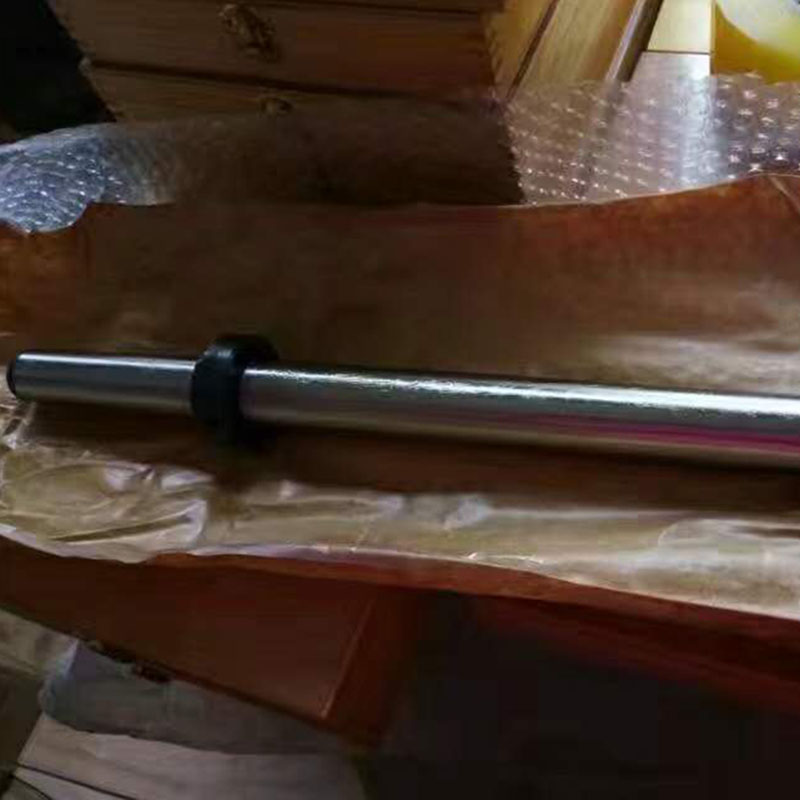
Understanding Taper Plug Gauges and Their Applications In precision engineering and manufacturing, e

water flow control valve types
The innovative technology behind water control valves has dramatically revolutionized the way indust
 English